


















PROTEZ SAÇ TOPTANCISI-TOPTAN PROTEZ SAÇ MALZEMELERİ
BİZ KİMİZ
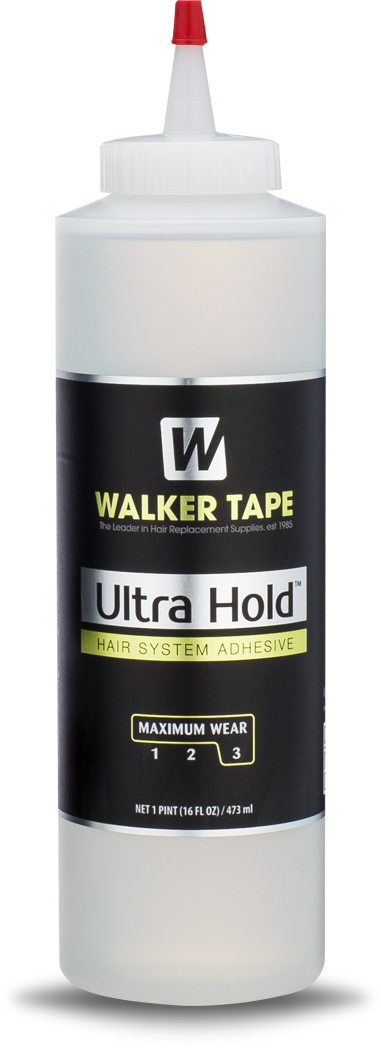
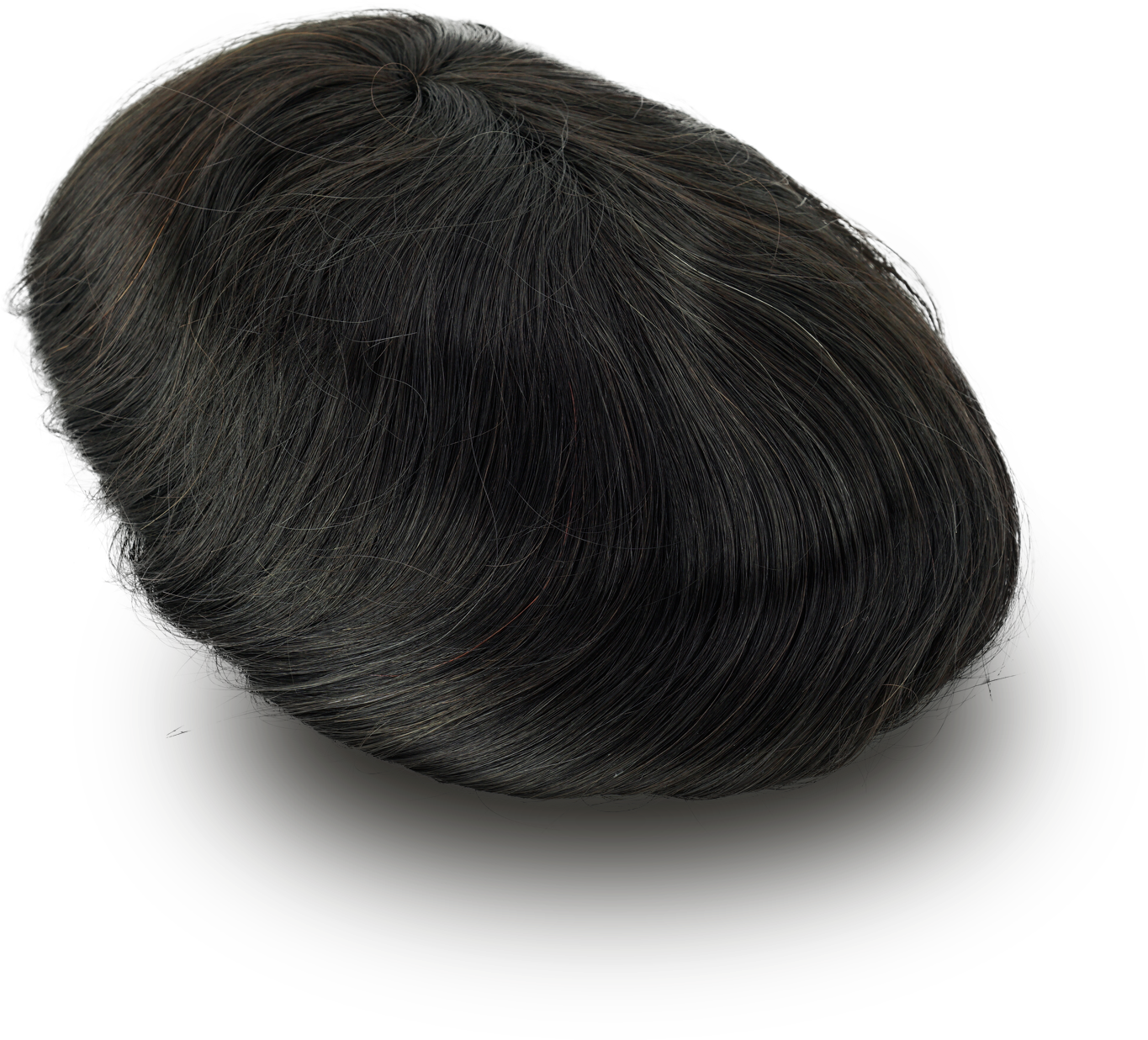
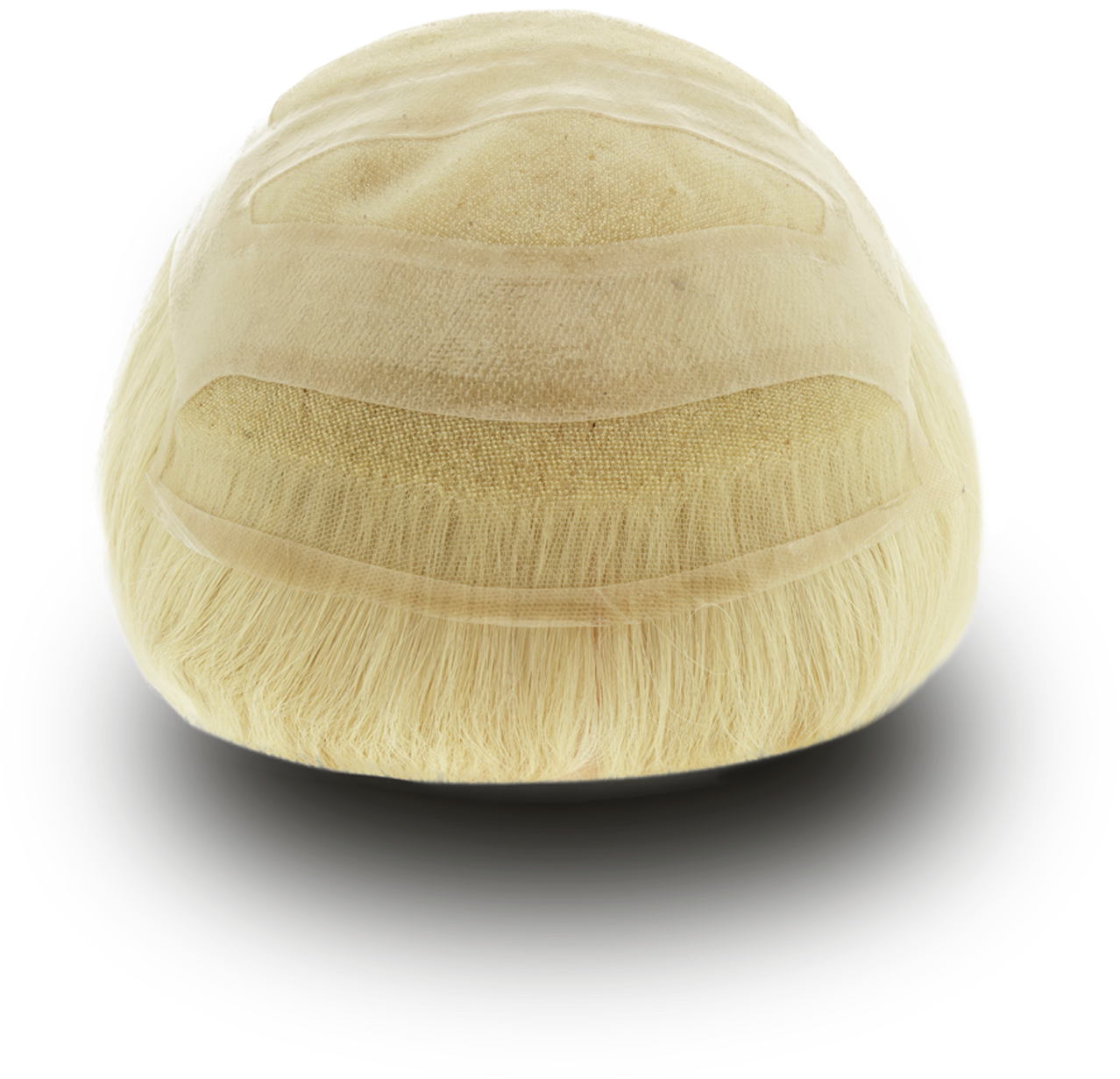
Türkiye’nin En Büyük Protez Saç Stoğuna Sahibiz. Erkek ve Kadın Olmak Üzere 20’nin Üzerinde Altyapı Modeli ve 10.000 Adetin Üzerinde Sürekli Yenilenen Stoğumuz İle 1998′ den Bu Yana Siz Değerli Müşterilerimize Hizmet Vermeye Devam Ediyoruz. Ürünlerimizin Tamamı %100 Gerçek Saçlardan Üretiliyor. Türkiye’deki Protez Saç Toptancısı Konumunda Bulunan S-Well Hair Aynı Zamanda Walker Tape ve True Tape Markalarının Türkiye Distribütörü Konumundadır. Türkiye’nin Doğu ve Kuzey Doğusundaki Ülkelere Toptan Protez Saç İhracatı Gerçekleştirmekteyiz. Toptan Protez Saç Haricinde, Tül ve Ciltli Tepelik, Medikal Peruk, Ham Saç, Kaynak Saç ve Fiber Sentetik Peruk Ürün Yelpazesi İle’de Türkiye’de Sektöründe Lider Konumdadır.
NEDEN S-WELL
Çünkü Bizimle Stok Problemi Yaşamazsınız. Çünkü, İstediğiniz Ölçüler’de, Uzunluklarda, Renkler’de ve Altyapılarda Toptan Protez Saç Sipariş Edebilir, Özel Siparişler Oluşturabilirsiniz. Çünkü, S-Well Ürünlerinin Arkasındadır. Çünkü S-Well Toptan Protez Saç Talebini Karşılamak İçin Ürünleri Asyada’ki Kendi Fabrikasında Üretmektedir. Çünkü S-Well Kendi Saçlarını Ürettiği İçin Protez Saç Toptan Fiyatlarını Uygun Tutabilmektedir ve Ürünlerine Garanti Vermektedir. Çünkü S-Well Yüksek Stok Gücü İle U.S.A Menşeili ve F.D.A Tarafından Onaylı Walker Tape ve True Tape Markaları İle Toptan Protez Saç Bantları, Toptan Protez Saç Sökücüleri, Toptan Protez Saç Bakım Ürünlerinin Distribütörü Konumundadır. Çünkü, Bir İşletmeniz Varsa A-Dan Z-Ye Başka Hiçbir Firmaya Bağlı Kalmadan Tüm Ürün İhtiyaçlarınızı Karşılayabilecek Güçtedir. Çünkü Sektöre Girmek İsteyen Girişimcilere Eğitim İmkanı Sunuyor.
Sektörün gelişmesi ve ilerleyebilmesinin bu sektörün daha çok kişiye ulaşması ile mümkün olduğunu biliyoruz. Bu yüzden sürekli eğitimler ve seminerler düzenliyoruz. Sektörde yeni iseniz veya bu sektörü yeni giriş yapmak istiyor ve kafanızdaki soru işaretlerinden kurtulmak istiyorsanız bizimle iletişime geçin. Sizi bilgilendirelim ve bir yol haritası çizmenize, yaşayabileceğiniz sorunların üstesinden gelmenize yardım edelim. Üstelik bunlara hiç bir ücret ödemeniz de gerekmiyor. Rakiplerinizden sıyrılın ve 1 adım öne geçin. Bulunduğunuz bölgede potansiyeli ilk siz yakalayın. Sizi’de S-Well Hair Şubelerine Bekliyoruz.